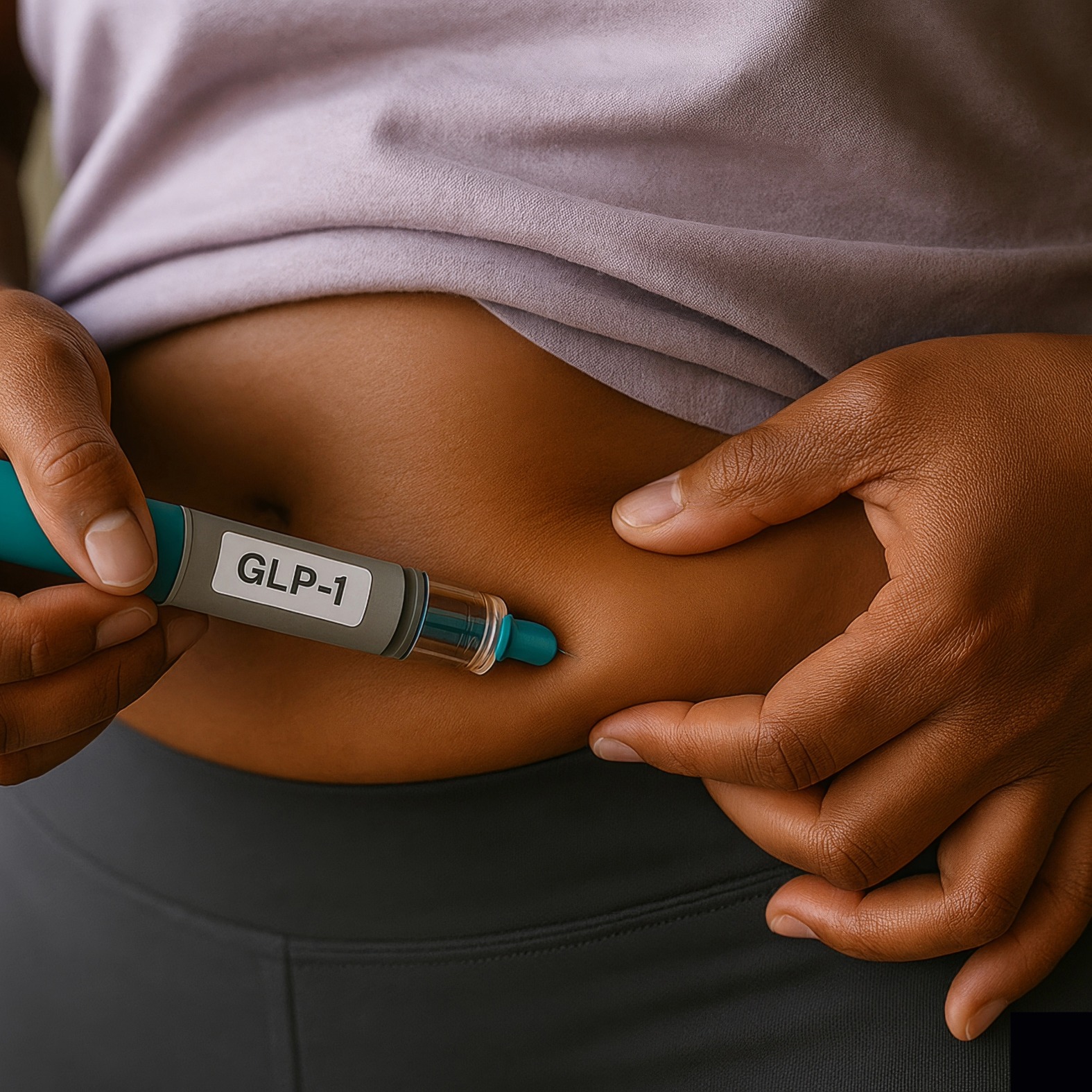
Episode 377: GLP-1 Anti-Obesity Medications Update-Efficacy, Muscle Risk, and Future
Episode Summary: The Cardiometabolic Revolution of Semaglutide, Tirzepatide, and Beyond
This episode provides a comprehensive, evidence-based update on GLP-1 receptor agonists (anti-obesity medications), featuring Dr. Jordan Feigenbaum, Dr. Austin Baraki, and Dr. Spencer Nadolsky. The hosts review the rapid evolution of these drugs—from short-acting injectables to potent multi-agonists like Tirzepatide (Mounjaro/Zepbound) and Retatrutide—which now achieve weight loss efficacy rivaling bariatric surgery.
The discussion clarifies the broad, weight-independent benefits these drugs offer for cardiovascular, renal, and liver health (CKM Syndrome). The experts address common concerns, including the high incidence of gastrointestinal side effects and the heavily debated risk of muscle mass loss, concluding the risk is often overblown and easily mitigated by resistance training and adequate protein intake. Finally, they discuss the biggest hurdle to access: cost, and the role of newer oral and compounded options in the evolving landscape.
⏱️ Episode Timestamps
- 00:00 Welcome and Introductions
- 00:05:48 Defining GLP-1 and the Incretin Effect
- 00:08:06 Debunking "Nature's Ozempic" (DPP-4 resistance)
- 00:11:17 Evolution of GLP-1 Drugs (Longer duration, higher potency)
- 00:14:35 Defining and Discussing "Food Noise"
- 00:19:43 Semaglutide Efficacy (STEP & SUSTAIN Trials)
- 00:22:36 Tirzepatide Efficacy (SURMOUNT Trials)
- 00:24:50 Triple Agonist Pipeline (Retatrutide)
- 00:28:04 Oral Options and Future Accessibility (Orforglipron)
- 00:33:10 Weight-Independent Cardio Benefits (SELECT Trial)
- 00:38:12 Benefits for Kidney and Liver Health (CKM Syndrome)
- 00:41:47 Emerging Benefits (Sleep Apnea, Addiction, Cancer)
- 00:48:20 Common Side Effects (Nausea, Constipation, Fatigue)
- 00:52:59 Rare/Serious Risks (Pancreatitis, NAION)
- 00:58:36 Muscle Mass Loss Concern (Hype vs. Data)
- 01:13:44 Biggest Hurdle: Cost and Prior Authorization
- 01:16:50 Compounded Versions vs. Research Chemicals
- 01:19:57 Role of Older Anti-Obesity Medications and Microdosing
- 01:24:41 Final Summary
🔗 Resources and Next Steps
Work with Experts on Cardiometabolic Health:
Connect with Dr. Austin Baraki and Dr. Spencer Nadolsky: https://joinvineyard.com/
For evidence-based resistance training programs: barbellmedicine.com/training-programs
For individualized medical and training consultation: barbellmedicine.com/coaching
Explore our full library of articles on health and performance: barbellmedicine.com/resources
To join Barbell Medicine Plus and get ad-free listening, product discounts, exclusive content, and more: https://barbellmedicine.supercast.com/
I. Basic Science and The Evolution of Anti-Obesity Medication
Defining GLP-1 and the Incretin Effect
GLP-1 (Glucagon-like peptide 1) is a naturally occurring peptide hormone released by the intestines after food ingestion.1 It plays a role in the incretin effect, which enhances insulin secretion from the pancreas.2 However, natural GLP-1 is quickly broken down by the DPP-4 enzyme, limiting its efficacy.3 Modern GLP-1 receptor agonists (like Semaglutide and Tirzepatide) are synthetic analogs engineered to be resistant to DPP-4 breakdown, allowing them to stick around longer and reach receptors in the brain to modulate appetite.
The concept of food noise describes the persistent, relentless, non-hunger-related thoughts about food that many individuals with obesity experience.5 Patients often report that the cessation of this food noise is one of the most profound effects of the medication, freeing up cognitive energy previously dedicated to ruminating over food.
The Rapidly Advancing Pipeline
The evolution of this drug class has been defined by three trends:
- Duration: Moving from twice-daily injections (Exenatide) to weekly injections (Ozempic) and future monthly options.
- Potency: Increasing efficacy through molecular engineering and multi-agonist targeting (e.g., Tirzepatide hitting GLP-1 and GIP receptors).7
- Tolerability: Improving the side effect profile, making newer agents easier to tolerate.
Upcoming agents include oral options like Orforglipron and high-dose oral Semaglutide, which promise easier administration and potentially lower costs.8 Triple agonists like Retatrutide are showing efficacy in the mid-20% total weight loss range, rivaling metabolic surgery outcomes.
II. Efficacy and Broad Health Benefits
Weight Loss Efficacy
The clinical data demonstrates significant efficacy, classifying these drugs as game-changers:
- Semaglutide (Ozempic/Wegovy): Averages around 15% total body weight loss.10
- Tirzepatide (Mounjaro/Zepbound): Averages 20-21% total body weight loss, generally showing superiority and improved tolerability compared to Semaglutide.11
- Pipeline Agents (Retatrutide): Showing potential for 24-25% total weight loss, pushing pharmacological intervention into the same league as bariatric surgery.
Weight-Independent Organ Protection (CKM Syndrome)
A significant portion of the benefit derived from these medications is weight-independent, meaning it's separate from the mass lost.12 The drugs exert pleiotropic (multiple) effects across organ systems, leading to the coining of CKM Syndrome (Cardiovascular-Kidney-Metabolic Syndrome).
- Cardiovascular Health: The SELECT trial demonstrated a radical reduction in Major Adverse Cardiovascular Events (MACE), with evidence suggesting at least two-thirds of this benefit is independent of the weight lost.
- Renal and Liver Health: Trials like FLOW are demonstrating benefits for Chronic Kidney Disease (CKD) progression.14 Furthermore, resolution or significant improvement of Fatty Liver Disease is commonly observed once weight loss exceeds the 7.5-10% threshold.
Emerging and Future Benefits
Research is exploring the impact of GLP-1 agonists on:
- Obstructive Sleep Apnea (OSA): Leading to resolution or reduction in severity, confirmed in trials.
- Addiction: Early anecdotal and some retrospective data show reduced alcohol consumption, with potential benefits being explored for gambling and opioid addiction due to strong effects in the brain's reward center.
- Neuroprotection and Cancer: The potential for favorable effects on neurodegenerative disease and certain adiposity-associated cancers is under investigation.
III. Side Effects and Mitigating Muscle Loss Concerns
Common and Rare
You May Also Like

Fitness M/K
Anders Nedergaard, Podads

Sleep Reset
Motivation

7 Good Minutes
Clyde Lee Dennis

Daily Motivation | Morning Affirmations
Motivation

Feminine Power Affirmations
Motivation

The Resilient Man | Daily Stoic Affirmations
Motivation

Gratitude Morning Affirmations
Motivation

Manifestation Hacks
Motivation

Fit, Healthy And Happy Podcast
Colossus Fitness

Choses à Savoir SANTE
Choses à Savoir
Fitness M/K
Anders Nedergaard, Podads
Sleep Reset
Motivation
7 Good Minutes
Clyde Lee Dennis
Daily Motivation | Morning Affirmations
Motivation
Feminine Power Affirmations
Motivation
The Resilient Man | Daily Stoic Affirmations
Motivation
Gratitude Morning Affirmations
Motivation
Manifestation Hacks
Motivation
Fit, Healthy And Happy Podcast
Colossus Fitness
Choses à Savoir SANTE
Choses à Savoir
Community discussion