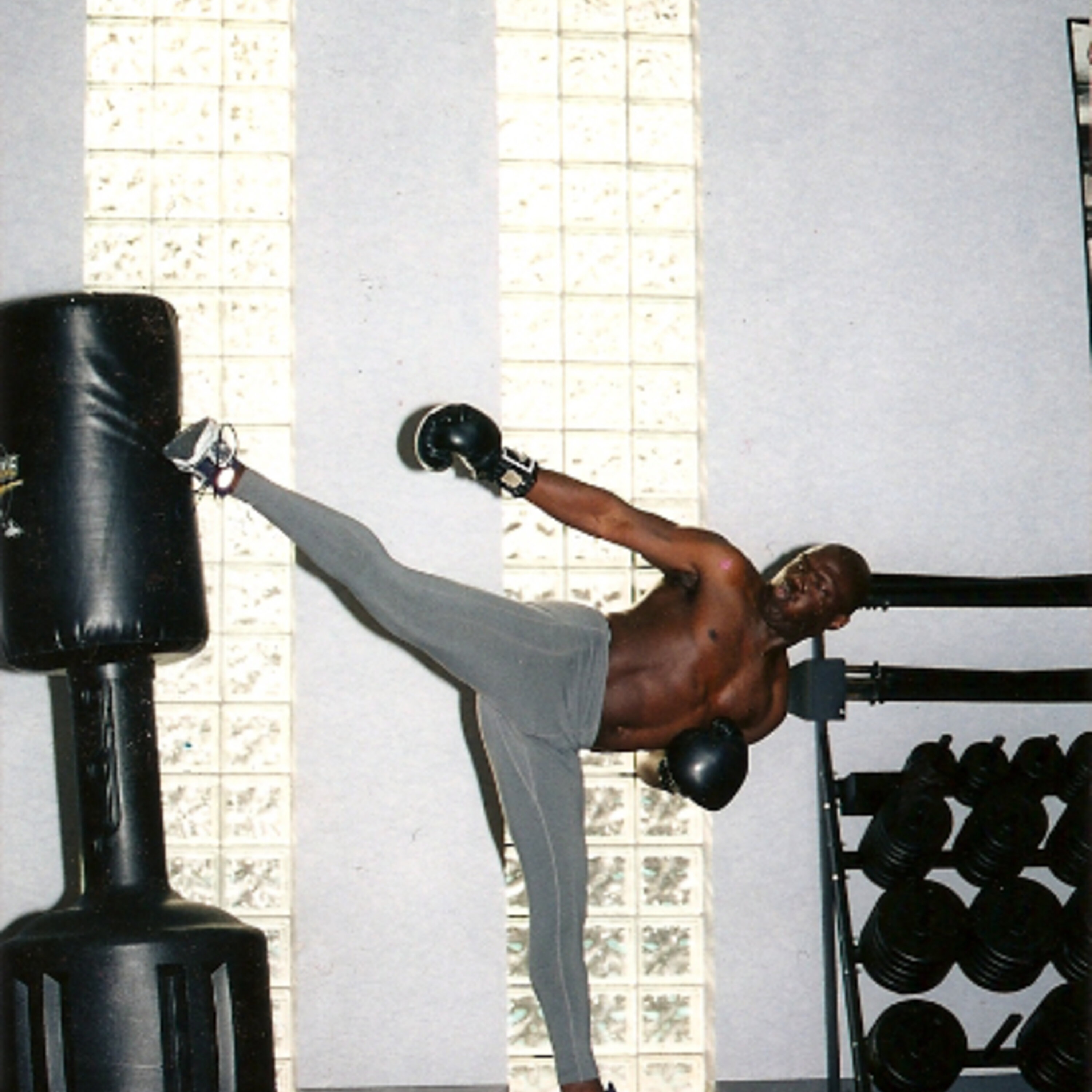
Podcast Episode #42: An Expert Interview on Bio-identical Hormone Replacement and Nutrient Therapy
Click to Subscribe to All Ben's Fitness & Get A Free Surprise Gift from Ben . Click here for the full written transcript of this podcast episode Let's start with some exciting news! The brand-new ultimate audio collection: Ben Greenfield Fitness, Volumes 1 & 2 have been released as a 10 CD multi-disc set! Now you can listen to our audio episodes on the convenience of your home or car CD player. I've only ordered 100 of the sets, but you can get yours today by clicking here. In this May 6, 2009 free audio episode , I interview Dr. Roby Mitchell, aka "Dr. Fitt" (pictured above). Dr. Mitchell graduated with honors from Texas Tech University School of Medicine in Lubbock, Texas and was selected to be the first medical student in an exchange program with Jinan University Medical School in mainland China. Over years of studying in both China and the United States, Dr. Mitchell has become an authority on nutritional medicine and bio-identical hormone replacement therapies in his own right. He served as a physician for the US Medical Triathlon Society, and even practiced as Chuck Norris's sparring partner! During our interview, Dr. Fitt discusses: -the exact age that both men and women begin to lose hormones and suffer the results (hint: much younger than you think) -the enormously important link between iodide, thyroid, fungi, and chronic inflammation -the most common nutritional deficiencies Dr. Mitchell observes in his patients, and how he treats them -visual and body cues that could easily warn you of potential signs of hypothyroidism, including why you need to pay attention to your toe and tongue temperature, and even the bags under your eyes -the best test for identifying hormone deficiences that could be leading to chronic fatigue and low energy levels -the top hormone deficiencies that many people aren't even aware could exist in their own bodies -Dr. Mitchell's top two recommended books for the average person to learn more about bio-identical hormone replacement -and much, much more! Special Announcements in this episode: -The FDA just issued a severe warning about the metabolic-boosting fat loss supplement "Hydroxycut". (Click here for more information about the release) . This simply affirms the message that I have delivered from Day 1: it doesn't matter what your fat loss results are if they're not healthy. -A survey for you triathletes out there: why do you *really* do triathlon? Click here to read my controversial article about this question, and voice your opinions. -Don't be offended by the lack of clothing, but my new Shape21 style workout video is now out on the web. Check it out today, then hurry to register for the Shape21 63 Day Lean Body Challenge (must register by midnight on May 14, 2009). Watch A Ripped Body Workout in Sports | View More Free Videos Online at Veoh.com Also On This Week's Podcast Episode: Listener Q&A: Detailed answers featured in the May 6, 2009 free audio episode : 1. From listener Charles: "Ben, I am in fact lifting as you suggested- I'm actually very serious about including it my training routine. I was wondering if you could suggest a way to set up my workout schedule- for example, I'm usually doing some sort triathlon training 6 days a week and am additionally lifting about 4. But I'm not sure, to make real strength gains, what exercises I should really focus on and where I would want to keep my rep ranges? I don't know if you care, but recently I have been getting into Crossfit workouts. I think that creating a hybrid program that includes exercises of high weight and intensity/ low reps, followed by a Crossfit style workout might be the best for me." Resources mentioned in my answer: Top 12 Resistance Training Routines for Endurance Athletes 2. From listener Karen: "Do you have any opinions on ice baths or cold water soaks?" 3. From listener Sal: "I am a serious marathon runner, and I currently use creatine in my training. I use it for several reasons. 1) It seems to be relatively safe with no side effects 2) Ill take anything that helps recovery 3) I currently do lower body work and core work in the gym, and i believe creatine helps me build those muscles However, creatine also causes me to carry extra water weight. I have heard that creatine does this, and I have noticed it myself. I carry a substantial amount of water weight around my midsection. After a long run where I sweat alot, I can see my abs, but if I take creatine and go a day or so without sweating, there is alot of bloating in my abs. I am worried that during taper this will have a negative effect. When I rest for my marathon, should I stop taking creatine? Or do I need to stop a few weeks in advance to get it out of my system. I want to get the benefits of it without carrying extra weight during the race. Also, will there be any problems with stopping taking it, like withdrawal symptoms? I currently take about 5g after workotus and 3g on non workout days in the morning." Websites mentioned in my answer
You May Also Like

Daily Motivations
Tolulope Akodu

Be Calm and Relaxed with Rain and Thunder for Sleeping
ColoredJuice Podcast Studio

Good Thinking: Positive Affirmations
Just Curious Media
Commune with Jeff Krasno
Commune
Vitality Radio Podcast with Jared St. Clair
Jared St. Clair

Daily Meditation
Daily Meditation Club

Strictly Anonymous Confessions
Kathy Kay

The Chalene Show | Diet, Fitness & Life Balance
Chalene Johnson

IN HINDZSIGHT
HINDZ

Calming Anxiety | Guided Meditation, Sleep Hypnosis & Panic Attack Relief
Martin Hewlett - Calming Anxiety
Daily Motivations
Tolulope Akodu
Be Calm and Relaxed with Rain and Thunder for Sleeping
ColoredJuice Podcast Studio
Good Thinking: Positive Affirmations
Just Curious Media
Commune with Jeff Krasno
Commune
Vitality Radio Podcast with Jared St. Clair
Jared St. Clair
Daily Meditation
Daily Meditation Club
Strictly Anonymous Confessions
Kathy Kay
The Chalene Show | Diet, Fitness & Life Balance
Chalene Johnson
IN HINDZSIGHT
HINDZ
Calming Anxiety | Guided Meditation, Sleep Hypnosis & Panic Attack Relief
Martin Hewlett - Calming Anxiety
Community discussion