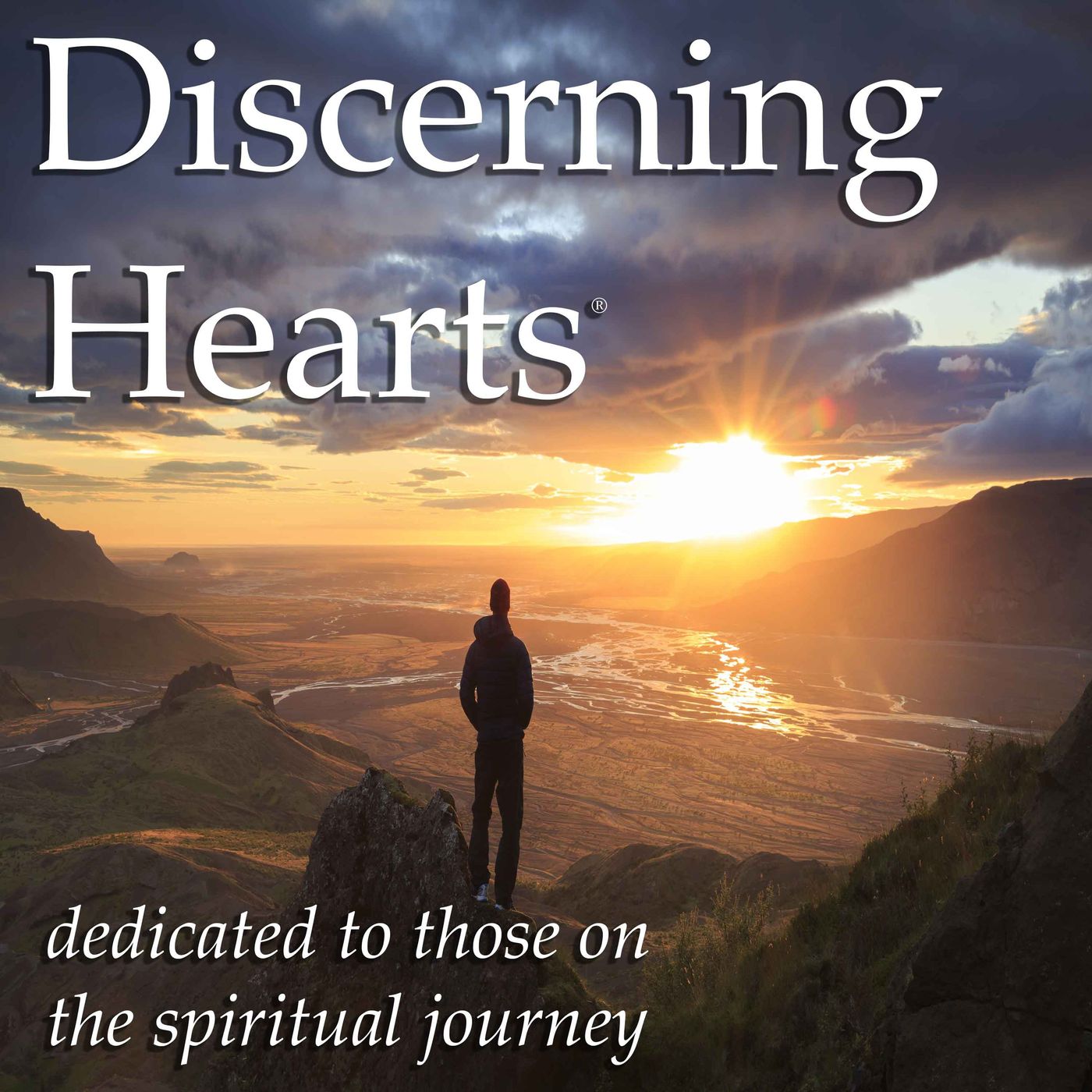
VEC12 – Nestorius – Villains of the Early Church with Mike Aquilina – Discerning Hearts Podcast
Episode 12 – Nestorius – Villains of the Early Church with Mike Aquilina Mike Aquilina discusses Nestorius as a tragic and almost darkly comic figure whose early success as a learned monk did not prepare him for leadership in Constantinople. His rigid personality, discomfort with women, and obsession with linguistic precision shaped his rejection of the title Theotokos (“Mother of God”) for Mary. What he considered logical correction instead unsettled ordinary Christian practice, clashed with long-standing prayer and devotion, and provoked resistance from both the people and influential figures in the imperial court. His attempts to curb women’s visibility in church life further alienated the city and deepened opposition from other bishops, who began to recognize that his teaching raised serious concerns about the identity of Christ himself. The conflict culminated in the Council of Ephesus, where the issue of Mary’s title revealed a deeper question about whether Jesus is fully God. St. Cyril of Alexandria successfully argued that denying Mary as Mother of God undermined Christ’s divinity, and the council affirmed the traditional language rooted in centuries of worship. The decision was celebrated publicly with hymns and processions, while Nestorius was deposed, exiled, and eventually formed a separate community beyond the empire. Such crises unfold over long periods and flawed individuals can still prompt doctrinal clarity. Holiness, perseverance, and lived witness remain the most powerful responses to error and division in every age. Discerning Hearts Reflection Questions
- How do Nestorius’s personality traits and formation as a monk reveal the importance of humility and self-awareness in leadership within the Church?
- What does the controversy over the title Mother of God teach about the connection between devotion, doctrine, and daily prayer?
- How can resistance from ordinary Christians help safeguard the faith handed down through generations?
- In what ways does Marian teaching shape a deeper understanding of who Jesus is?
- How does the Council of Ephesus show the Church discerning truth through conflict rather than avoiding it?
- What lessons can be drawn from how pride and rigidity can distort good intentions?
- How does the public celebration of the council’s decision reflect the unity between worship and belief?
- What does this episode suggest about enduring long periods of confusion or trial within the Church?
- How does the call to holiness in everyday life serve as a response to error and division?
- In what ways can personal example either strengthen or weaken the Church’s witness in the world today?
You May Also Like

Let the Bible Speak Radio
Dr. Alan Cairns

Mission 66
TWR

Journey to Truth Podcast CLASSICS
Journey to Truth Podcast

Mishna Berura Shiur With The Dirshu Program
Rabbi Ami Maierovits
PersianBMS Daily Podcasts | برنامههای کامل روزانه
PersianBMS

Follow Jesus Radio
Richard Templin Hancock
Gemara Markings Daf Yomi
Rabbi S Horowitz

In the Market with Janet Parshall
Moody Radio

God's Dear Child
Lanre Rex Onasanya

Catholic Reading of the Day
Daily Liturgy
Let the Bible Speak Radio
Dr. Alan Cairns
Mission 66
TWR
Journey to Truth Podcast CLASSICS
Journey to Truth Podcast
Mishna Berura Shiur With The Dirshu Program
Rabbi Ami Maierovits
PersianBMS Daily Podcasts | برنامههای کامل روزانه
PersianBMS
Follow Jesus Radio
Richard Templin Hancock
Gemara Markings Daf Yomi
Rabbi S Horowitz
In the Market with Janet Parshall
Moody Radio
God's Dear Child
Lanre Rex Onasanya
Catholic Reading of the Day
Daily Liturgy
Community discussion