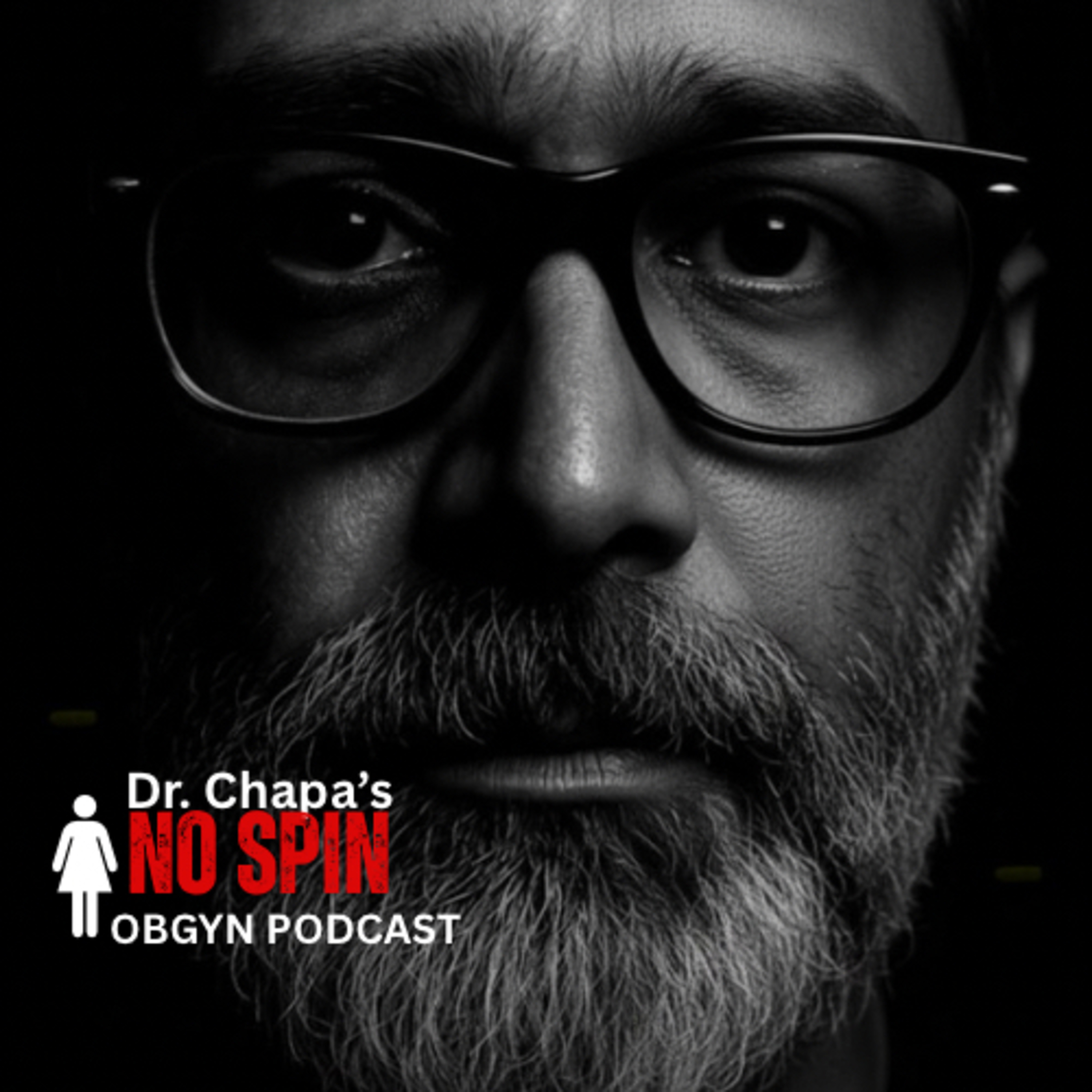
Mode of Delivery for Periviable PTB: Does it Matter?
Preterm infants, especially those born at periviability, are at inherent risk of a variety of short-term neonatal complications- depending on their gestational age- including sepsis, respiratory distress, IVH, and have an overall higher mortality compared to term born infants. Well known interventions are intended to reduce these complications; these include antenatal corticosteroids, magnesium sulfate for CNS protection, and antibiotics for latency in PPROM. This is an even bigger issue for those born in the periviable interval. That group is a unique population. But does mode of delivery matter? Cesarean delivery is currently not recommended before 25 weeks' gestation unless for maternal indications, even in the setting of malpresentation. We’ll cover recently stated guideline in this episode. These recommendations are based on a lack of evidence of improved neonatal outcomes and survival following cesarean delivery and the maternal risks associated with cesarean delivery at this early gestational age. Plus, for non-vertex presenting fetuses, C-section has been reported to reduce risk of neonatal mortality, but what about vertex presenting preterm/periviable babies? In this episode, we will review the mode of delivery and neonatal outcomes in preterm birth with a special focus on those born in the periviable interval, like 22- and 23-weeks gestation. There’s lots to cover here…so listen in for details.
You May Also Like
Breaking Down: Collapse
Kory & Kellan

The Grave Talks | Haunted, Paranormal & Supernatural
Ghost Stores, Haunted, Paranormal & Supernatural Stories

Мослекторий
Москва 24

Farm Small Farm Smart Daily
The Modern Grower Podcast Network
Daily Paper Cast
Jingwen Liang, Gengyu Wang
New Books in Environmental Studies
Marshall Poe

KI verstehen
Deutschlandfunk

La Science, CQFD
France Culture

Vetenskapsradion Nyheter
Sveriges Radio

IQ - Wissenschaft und Forschung
Bayerischer Rundfunk
Breaking Down: Collapse
Kory & Kellan
The Grave Talks | Haunted, Paranormal & Supernatural
Ghost Stores, Haunted, Paranormal & Supernatural Stories
Мослекторий
Москва 24
Farm Small Farm Smart Daily
The Modern Grower Podcast Network
Daily Paper Cast
Jingwen Liang, Gengyu Wang
New Books in Environmental Studies
Marshall Poe
KI verstehen
Deutschlandfunk
La Science, CQFD
France Culture
Vetenskapsradion Nyheter
Sveriges Radio
IQ - Wissenschaft und Forschung
Bayerischer Rundfunk
Community discussion