Podcast #290: The Biochemistry of DKA
Author: Dave Rosenberg, M.D.
Educational Pearls
- DKA commonly causes hyperkalemia, leading to peaked T-waves on ECG. However, DKA causes hypokalemia at the same time.
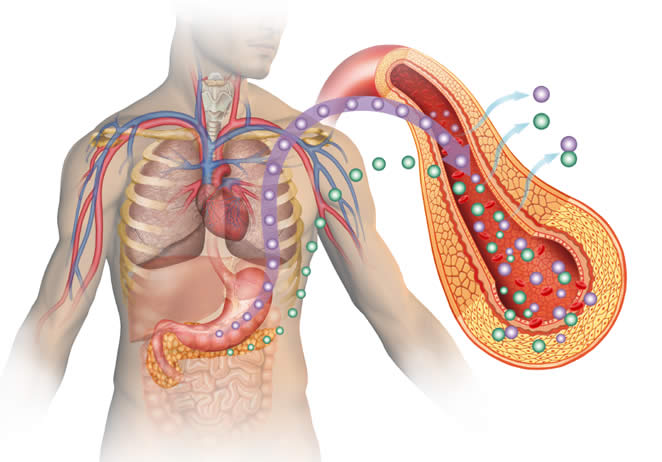
- In DKA, glucose cannot be taken into the cells. This signals the body to create and use acidic ketones for energy. This leads to acidosis. To compensate for increased acid, H ions are pumped into cells. To maintain electroneutrality, K is pumped out of the cell. At the kidney, K is lost in the urine.
- Overall, while serum K is high in DKA, total body K is low. The derangement in K can lead to life-threatening arrhythmias.
- Treatment for DKA can induce hypokalemia, as the K will shift back into the cells with insulin administration. Therefore, treatment for DKA needs to include K.
References: http://www.merckmanuals.com/professional/endocrine-and-metabolic-disorders/diabetes-mellitus-and-disorders-of-carbohydrate-metabolism/diabetic-ketoacidosis-dka
You May Also Like
दिनभर: पूरा दिन,पूरी ख़बर (Dinbhar)
BBC Hindi Radio

Be Calm and Relaxed with Rain and Thunder for Sleeping
ColoredJuice Podcast Studio

Erotic Short Stories: Read by Mia Hart
Sexuality and Erotica

I Choose Me with Jennie Garth
iHeartPodcasts

Savage Lovecast
Dan Savage

The Ultimate Intimacy Podcast
Nick and Amy with The Ultimate Intimacy App

The Power of Progress: Mindset, Motion, & Momentum
Scott Friedman

The Terri Cole Show
Terri Cole

ASMR Rain Sounds
Audiobooks

Nature ASMR Sounds
Sol Good Media
दिनभर: पूरा दिन,पूरी ख़बर (Dinbhar)
BBC Hindi Radio
Be Calm and Relaxed with Rain and Thunder for Sleeping
ColoredJuice Podcast Studio
Erotic Short Stories: Read by Mia Hart
Sexuality and Erotica
I Choose Me with Jennie Garth
iHeartPodcasts
Savage Lovecast
Dan Savage
The Ultimate Intimacy Podcast
Nick and Amy with The Ultimate Intimacy App
The Power of Progress: Mindset, Motion, & Momentum
Scott Friedman
The Terri Cole Show
Terri Cole
ASMR Rain Sounds
Audiobooks
Nature ASMR Sounds
Sol Good Media
Community discussion