Did First Life Come From Space? Not Likely, Says Astrobiologist
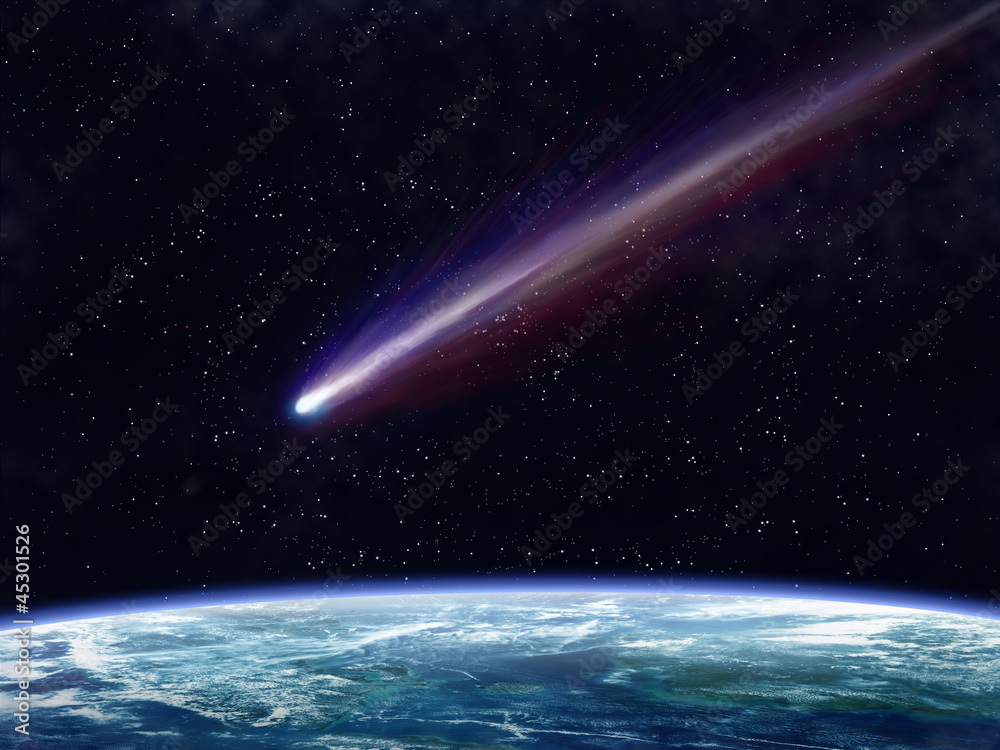
On today’s classic ID the Future out of the vault, astrobiologist Guillermo Gonzalez and host Casey Luskin discuss the idea of undirected panspermia. Gonzalez explains the basic idea and what the best current evidence says about its plausibility. The occasion is his chapter on panspermia in the anthology The Comprehensive Guide to Science and Faith, co-edited by Casey Luskin, associate director of Discovery Institute’s Center for Science and Culture. Undirected panspermia is the idea that the first life on our planet came from outer space, carried by chance processes from a faraway living planet on space dust, asteroids, or comets either from within our solar system, or from another star system to here. The idea of panspermia was inspired by the extreme difficulty of satisfactorily explaining the chance origin of life on planet Earth. Two of the idea’s earliest proponents, Gonzalez notes, were the scientists Lord Kelvin and Svante Arrhenius, each with a different take. Gonzalez argues that our increasing knowledge about the conditions of interstellar space renders the idea of life successfully hitchhiking around trillions of miles and millions of years from a faraway star system to our big blue marble unlikely in the extreme.
You May Also Like

Bedtime Astronomy
Synthetic Universe

Real Ghost Stories Online
Real Ghost Stories Online | Paranormal, Supernatural & Horror Radio
Paranormal Mysteries
Nic Ryan | Paranormal Mysteries Podcast

Vedanta Cast
Jonas Masetti
Bigfoot Eyewitness Radio
Vic Cundiff

Created to Reign
Cornwall Alliance for the Stewardship of Creation

Star Diary
BBC Sky at Night Magazine
Universe Today Podcast
Fraser Cain

The Grave Talks | Haunted, Paranormal & Supernatural
Ghost Stores, Haunted, Paranormal & Supernatural Stories

The Dissenter
Ricardo Lopes
Bedtime Astronomy
Synthetic Universe
Real Ghost Stories Online
Real Ghost Stories Online | Paranormal, Supernatural & Horror Radio
Paranormal Mysteries
Nic Ryan | Paranormal Mysteries Podcast
Vedanta Cast
Jonas Masetti
Bigfoot Eyewitness Radio
Vic Cundiff
Created to Reign
Cornwall Alliance for the Stewardship of Creation
Star Diary
BBC Sky at Night Magazine
Universe Today Podcast
Fraser Cain
The Grave Talks | Haunted, Paranormal & Supernatural
Ghost Stores, Haunted, Paranormal & Supernatural Stories
The Dissenter
Ricardo Lopes
Community discussion