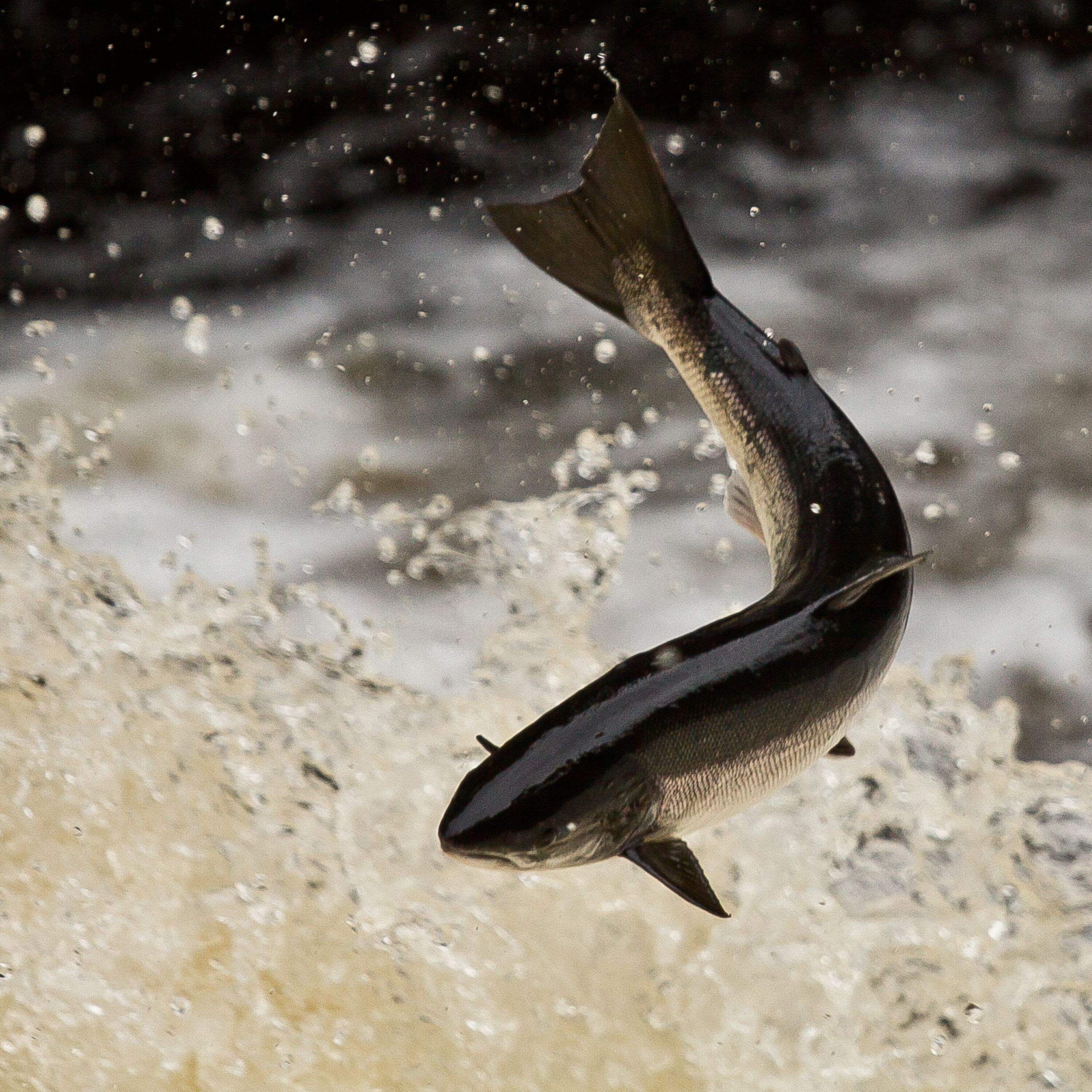
Why Swedish scientists gave salmon cocaine
A recent study caught our eye: salmon on cocaine. Or really, researchers giving salmon cocaine…for science. See, scientists know human drugs pollute aquatic environments – past studies have shown even anti-anxiety drugs can change how fish act. But illicit drugs are less studied. And Jack Brand, an aquatic ecologist at the Swedish University of Agricultural Sciences, wanted to know how illicit drugs like cocaine might change fish behavior, like foraging and mating. To answer that question, Jack and his team gave salmon cocaine.
Interested in more science? Email us your question at [email protected].
Listen to every episode of Short Wave sponsor-free and support our work at NPR by signing up for Short Wave+ at plus.npr.org/shortwave.
See pcm.adswizz.com for information about our collection and use of personal data for sponsorship and to manage your podcast sponsorship preferences.
NPR Privacy Policy
You May Also Like

Menno en Erwin about Nature and Science
Natuur en Wetenschap door: Prof. Menno Gerkema en Erwin Balkema

The Grave Talks | Haunted, Paranormal & Supernatural
Ghost Stores, Haunted, Paranormal & Supernatural Stories
Dr. Chapa’s OBGYN Clinical Pearls
Dr. Chapa’s Clinical Pearls

The 365 Days of Astronomy
365DaysOfAstronomy.org

Daily Paper Cast
Jingwen Liang, Gengyu Wang

The Clean Energy Show
James Whittingham and Brian Stockton

The Best of Coast to Coast AM
iHeartPodcasts and Coast to Coast AM
Eye On The Sky
Vermont Public

BrainStuff
iHeartPodcasts

Climate Connections
Yale Center for Environmental Communication
Menno en Erwin about Nature and Science
Natuur en Wetenschap door: Prof. Menno Gerkema en Erwin Balkema
The Grave Talks | Haunted, Paranormal & Supernatural
Ghost Stores, Haunted, Paranormal & Supernatural Stories
Dr. Chapa’s OBGYN Clinical Pearls
Dr. Chapa’s Clinical Pearls
The 365 Days of Astronomy
365DaysOfAstronomy.org
Daily Paper Cast
Jingwen Liang, Gengyu Wang
The Clean Energy Show
James Whittingham and Brian Stockton
The Best of Coast to Coast AM
iHeartPodcasts and Coast to Coast AM
Eye On The Sky
Vermont Public
BrainStuff
iHeartPodcasts
Climate Connections
Yale Center for Environmental Communication
Community discussion