S8, Ep 5: Frosty Mornings and Musky Pursuits: January Fishing Insights with Ellis Ward
Episode Overview
East Tennessee guide Ellis Ward delivers his first fishing report of 2026 on The Articulate Fly podcast, covering winter tactics for both post-spawn trout and low-water musky fishing. Ward breaks down strategic adaptations required for fishing extremely low and clear water conditions that have dominated the region through early January, affecting both tailwater trout fisheries and musky rivers like the French Broad. The episode emphasizes post-spawn trout streamer fishing opportunities in late January and February, when trophy fish are feeding aggressively to recover after the fall spawn. Ward also discusses current musky conditions under challenging low and clear water, requiring downsized presentations and pinpoint casting to specific holding pockets, with the transition to pre-spawn musky anticipated in March. Additionally, Ward covers his intensive bucktail processing operation, having accumulated over a thousand deer tails for custom musky flies following the end of deer season. With water levels dictated by minimal tailwater releases and fish becoming increasingly spooky in gin-clear conditions, Ward explains timing windows for visiting anglers looking to capitalize on prime post-spawn trout streamer fishing and upcoming pre-spawn musky opportunities.
Key Takeaways
- How to capitalize on post-spawn brown trout streamer fishing in late January through February when trophy fish are feeding heavily to recover after the fall spawn
- Why low and clear water musky fishing requires downsizing presentations and focusing on precision casts to specific structure rather than covering water broadly
- When to book trips around optimal moon phases and weather windows during the transitional period between post-spawn trout streamer fishing and March pre-spawn musky activity
- How to execute sidearm casts to tight cover and confined holding areas when backcast limitations and spooky fish demand tactical adjustments in extreme low water
Techniques & Gear Covered
Ward emphasizes post-spawn brown trout streamer tactics as prime winter opportunities, with late January and February offering some of the highest ceilings for trophy fish on streamers as they feed aggressively after the fall spawn. For musky fishing under current low and clear conditions, Ward discusses downsized fly presentations that facilitate better casting opportunities to tight cover with limited backcasts. The conversation details targeted approaches to four-by-four pockets, requiring anglers to identify specific holding structure rather than covering expansive zones. Ward discusses his extensive bucktail processing operation, managing approximately a thousand tails stored in two chest freezers and working through the dyeing and preparation process during winter. Equipment discussion includes the practical considerations of fishing in extreme cold with nitrile gloves and hand warmers while maintaining the dexterity needed for presentations in sub-30-degree weather, particularly important for anglers targeting post-spawn trout during early morning sessions.
Locations & Species
The French Broad River serves as the primary musky water, with Ward noting how extremely low and clear conditions require tactical adjustments throughout the winter period. East Tennessee's tailwater systems are emphasized for post-spawn brown trout streamer fishing, with Ward specifically noting that late January and February represent prime months when the ceiling is quite high for trophy trout that have completed their fall spawn and are feeding heavily. The interconnected nature of water management affects both systems, as minimal dam releases on tailwaters correlate with low water on musky rivers. Target species include brown trout during the post-spawn period and musky, with Ward noting the transition to pre-spawn musky fishing anticipated in March. Winter conditions feature fluctuating temperatures from the high 20s to occasional 50-60 degree days, with recent rainfall helping water levels but clarity remaining exceptionally high throughout the low-flow period.
FAQ / Key Questions Answered
Why is late January through February considered prime time for post-spawn brown trout streamer fishing?
These months represent the post-spawn period for brown trout, which spawn in fall and early winter. After the spawn, trophy brown trout feed aggressively to recover, creating exceptional streamer fishing opportunities. Ward specifically notes that January and February are prime post-spawn brown trout streamer months where the ceiling is quite high for catching large fish. Anglers willing to fish in cold conditions with nitrile gloves and hand warmers can encounter fish that are actively feeding and responding well to streamers.
How should anglers adjust musky tactics when fishing extreme low and clear water conditions?
Downsize fly presentations and focus on precision over coverage. In very low water, target specific four-by-four pockets rather than working entire banks, as fish concentrate in limited holding areas. Use sidearm casts to get under branches and tight to banks where limited backcasts restrict traditional presentations. Slow everything down and be prepared to make multiple casts to productive zones. While fish are still moving and following flies, the challenging conditions require tactical patience even when hookups remain inconsistent.
When is the optimal time to target different species in East Tennessee during winter and early spring?
Late January through mid-February targets post-spawn brown trout on streamers, with the second half of February offering prime dates around favorable moon phases. March shifts focus to pre-spawn musky as water temperatures begin rising, presenting different tactical opportunities. Ward emphasizes booking trips during these transitional windows when weather variability creates both challenges and rewards, noting that anglers fishing in 28-degree weather during the post-spawn trout period may encounter exceptional opportunities they wouldn't see later in the season.
Why does bucktail processing happen during winter and what's involved in the operation?
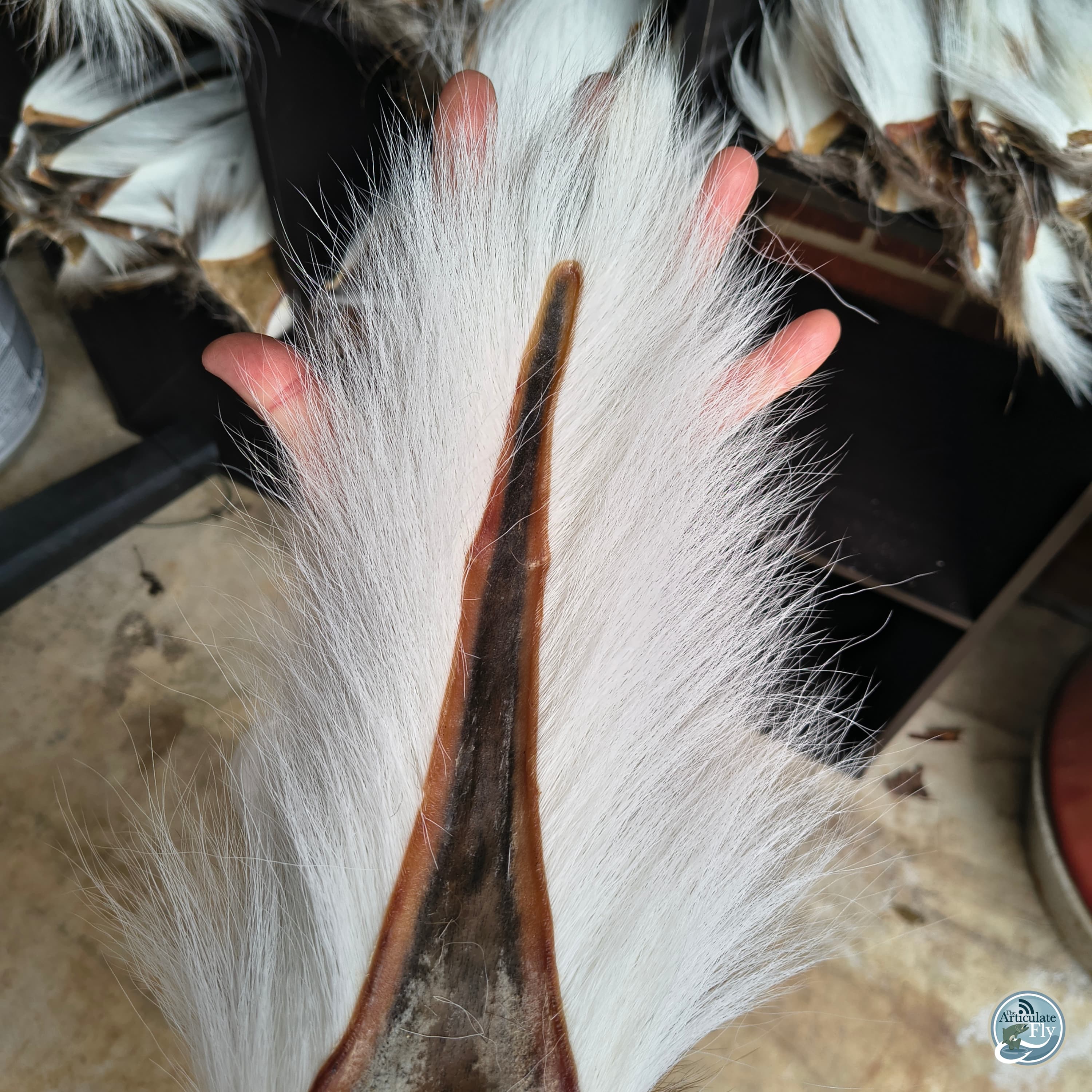
Deer season ends January 4th, creating an annual surge of raw material that must be processed before spoilage. Ward manages approximately a thousand tails across two chest freezers, working through skinning, cleaning and dyeing operations during winter when guide trips slow and fly tying season peaks. Efficient processing requires several hours per session to maintain quality control while balancing family commitments and remaining guide availability.
Related Content
S6, Ep 142 - Winter Musky Adventures and Streamer Tactics with Ellis Ward
S6, Ep 139 - Exploring East Tennessee's Changing Waters with Ellis Ward
You May Also Like

The Buckeye Scoop Podcast
Buckeye Scoop

94WIP Morning Show with Joe DeCamara and Jon Ritchie
Audacy

The Dan Le Batard Show with Stugotz
Dan Le Batard

The Buckeye Weekly Podcast
Buckeye Insiders Network

Locked On Fantasy Football – Daily NFL Fantasy Football Podcast
Locked On Podcast Network

PlayerProfiler Fantasy Football Podcast Network
Fantasy Football, PlayerProfiler, NFL Stats

Purple Daily - A Minnesota Vikings Podcast
SKOR North

ESPN SportsCenter Update
ESPN

Shan and RJ
Audacy

Mully & Haugh Show
Audacy
The Buckeye Scoop Podcast
Buckeye Scoop
94WIP Morning Show with Joe DeCamara and Jon Ritchie
Audacy
The Dan Le Batard Show with Stugotz
Dan Le Batard
The Buckeye Weekly Podcast
Buckeye Insiders Network
Locked On Fantasy Football – Daily NFL Fantasy Football Podcast
Locked On Podcast Network
PlayerProfiler Fantasy Football Podcast Network
Fantasy Football, PlayerProfiler, NFL Stats
Purple Daily - A Minnesota Vikings Podcast
SKOR North
ESPN SportsCenter Update
ESPN
Shan and RJ
Audacy
Mully & Haugh Show
Audacy
Community discussion