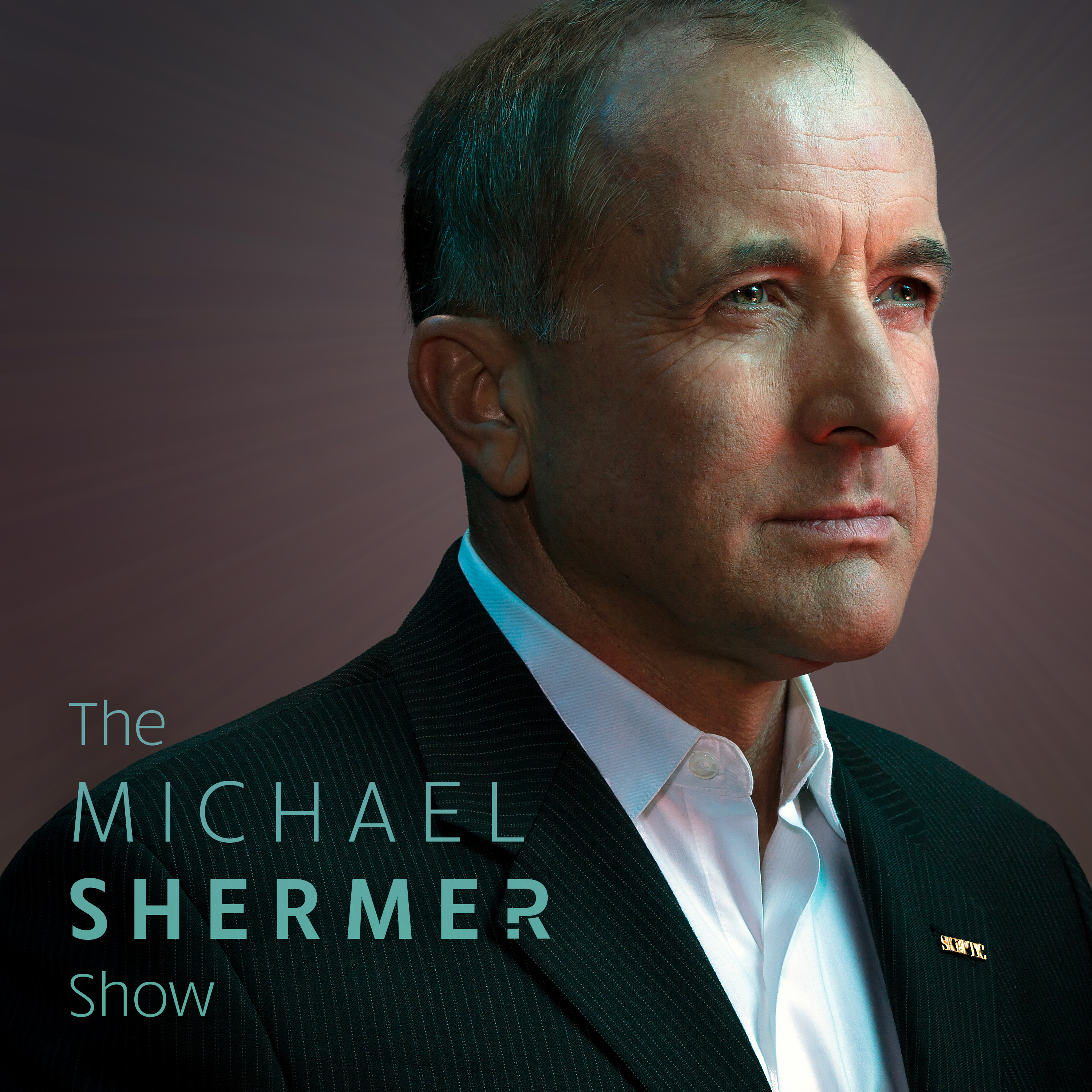
How Religions Compete for Money, Power, and People
Ask a question and participate in future episodes of the show.
Religion in the twenty-first century is alive and well across the world, despite its apparent decline in North America and parts of Europe. Vigorous competition between and within religious movements has led to their accumulating great power and wealth. Religions in many traditions have honed their competitive strategies over thousands of years. Today, they are big business; like businesses, they must recruit, raise funds, disburse budgets, manage facilities, organize transportation, motivate employees, and get their message out.
Economist Paul Seabright argues that religious movements are a special kind of business: they are platforms, bringing together communities of members who seek many different things from one another—spiritual fulfilment, friendship and marriage networks, even business opportunities. Their function as platforms is what has allowed religions to consolidate and wield power, which can be used for good and for harm.
Paul Seabright is a Professor of Economics in the Industrial Economics Institute and Toulouse School of Economics at the University of Toulouse, France. His new book is The Divine Economy: How Religions Compete for Wealth, Power, and People.
You May Also Like

The Best of Coast to Coast AM
iHeartPodcasts and Coast to Coast AM

Bedtime Astronomy
Synthetic Universe

New Books in Environmental Studies
Marshall Poe
New Books in Communications
Marshall Poe

Il podcast di Piergiorgio Odifreddi: Lezioni e Conferenze.
Vito Rodolfo Albano

The Grave Talks | Haunted, Paranormal & Supernatural
Ghost Stores, Haunted, Paranormal & Supernatural Stories

This Week in Virology
Vincent Racaniello

Astronomy Daily: Space News Updates
bitesz.com

懂心理,調出好關係 《Healthy Relationship》
姜尚文心理師,朴世光心理師

Geoengineering Watch Global Alert News
Dane Wigington
The Best of Coast to Coast AM
iHeartPodcasts and Coast to Coast AM
Bedtime Astronomy
Synthetic Universe
New Books in Environmental Studies
Marshall Poe
New Books in Communications
Marshall Poe
Il podcast di Piergiorgio Odifreddi: Lezioni e Conferenze.
Vito Rodolfo Albano
The Grave Talks | Haunted, Paranormal & Supernatural
Ghost Stores, Haunted, Paranormal & Supernatural Stories
This Week in Virology
Vincent Racaniello
Astronomy Daily: Space News Updates
bitesz.com
懂心理,調出好關係 《Healthy Relationship》
姜尚文心理師,朴世光心理師
Geoengineering Watch Global Alert News
Dane Wigington
Community discussion