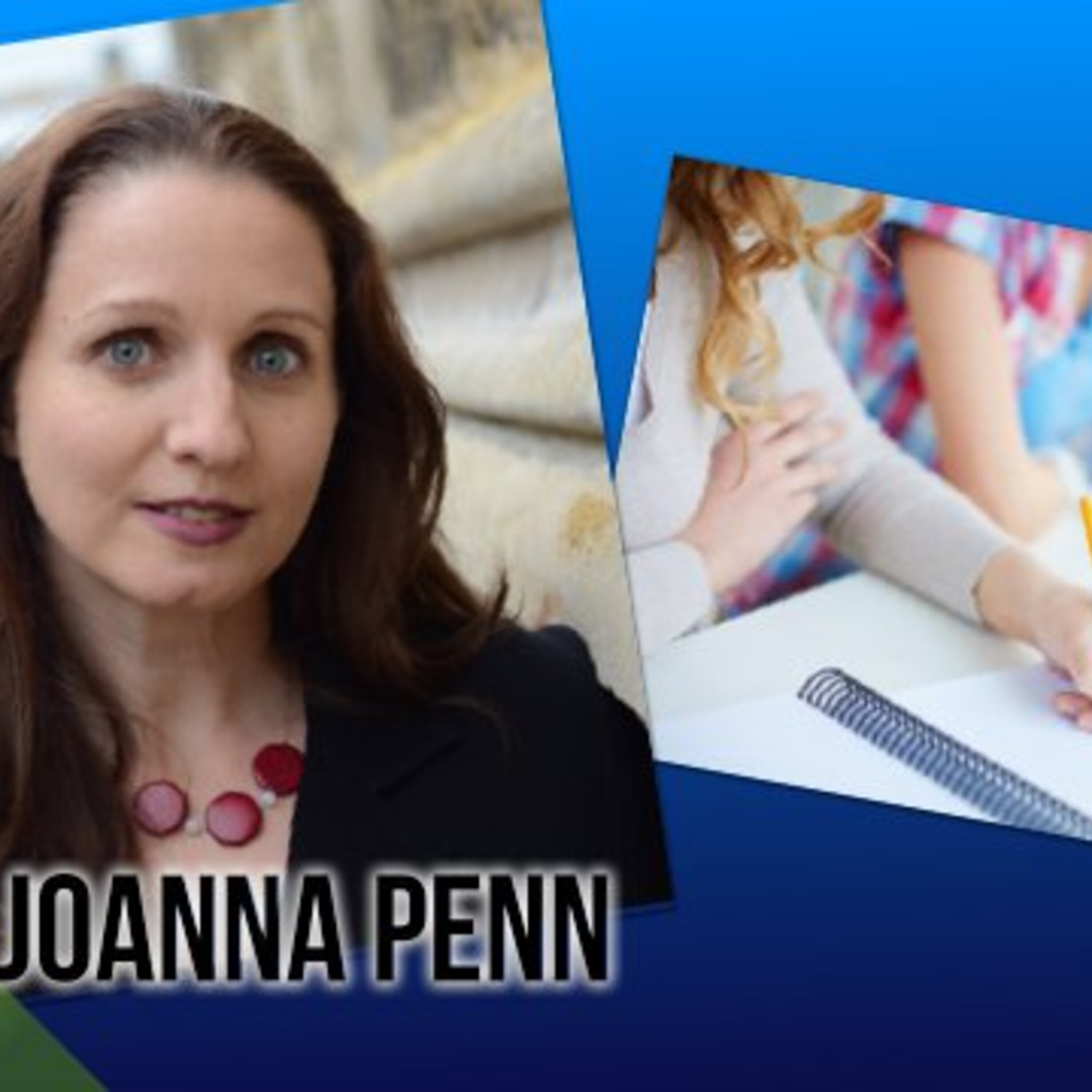
How To Banish Forearm and Elbow Pain, Burn Calories, Build Endurance & Maintain Muscle While Writing.
Have you ever dealt with frustrating wrist pain or carpal tunnel or tennis elbow or golfer's elbow or climber's elbow - pain that is aggravated by typing and computer work? Have you ever wished you could walk one, five or ten miles while still being able to work on a book, a project, or a paper? Have you ever wished you could simply talk your thoughts into existence, and have them appear in your emails, documents, books and more? Then today's podcast episode is for you.
--------------------
Before jumping into today's episode, let's take a look at folks who have abandoned traditional methods of simply sitting down to produce, create and be productive.
The list of historical figures who have used standing desks is veritable “who’s who”. Here is just a brief snapshot of famous folks, writers, and inventors who leveraged the standing desk’s benefits throughout history. For example, Leonardo da Vinci painted the Mona Lisa while he stood at his standing desk. Da Vinci also stood at his desk while sketching new inventions, including parachutes, flying machines, and armored vehicles. The standing desk also made its appearance in one of the world’s oldest colleges, the University of Cambridge, founded in 1209. Standing desks were first recorded as being used in the library in 1626, and the idea of writing while standing was placed at the epicenter of intellectual thought. Napoléon Bonaparte also used a standing desk and found it conducive to quick thinking and strategizing for battle. Thomas Jefferson also used the standing desk while composing documents, including the Declaration of Independence (he actually developed a six-legged adjustable standing desk, and was one of the first known people to use an adjustable standing desk). Charles Dickens' workspace where he penned such timeless classics as Oliver Twist, A Christmas Carol, and A Tale of Two Cities. is described as having “books all round, up to the ceiling and down to the ground; a standing-desk at which he writes; and all manner of comfortable easy chairs.” Winston Churchill was often seen writing at his standing desk. Ernest Hemingway’s fashioned a standing desk out of a bookcase near his bed. Honest Abe Lincoln was never too far from his trusty standing desk. He used it to deliver the Emancipation Proclamation and is famously quoted as saying 'Verily, 'tis my standing desk that gave me the inspiration to end this wicked and iniquitous trade.' In addition to standing while writing, both dictating while writing is also something famous authors have done. For example, in her book The Productive Author's Guide to Dictation: Speak Your Way to Higher (and Healthier!) Word Counts, author Cindy Grigg reports:
“Leo Tolstoy received one of the earliest dictaphone prototypes. To this he replied that the “Ediphone” was impressive but “too dreadfully exciting” for his methods. Instead, he seemed to favor dictating to his daughter Alexandra or even house guests. Fyodor Dostoyevsky reportedly struck a bargain with his publisher to pay off his and/or his brother’s debts. The deal required that the author submit his manuscript for The Gambler in short order. To do so, he employed stenographer Anna Grigorievna, who gave him collaborative feedback as well. He finished the manuscript in four weeks then married Anna.
“Thomas Hardy dictated his wife Florence Hardy’s ‘biography’ about himself to her, seemingly to retain control of the account. Like many authors, Hardy also dictated once he became ill. Stricken with pleurisy, he spoke his last poem to his wife Florence.
John Milton was blind when he created Paradise Lost, dictating the epic poetical work to his several daughters. This inspired paintings of him and his daughters by artists George Romney, Delacroix, and others.
Alexander Dumas was rumored to never touch up his drafts, having served as a historian, which had given him practice in thinking about what he wanted to say before he dictated it.
Michel de Montaigne , an acclaimed 16th-century essayist, dictated his journal and possibly other writings.
Henry James referred to his hired transcriptionists as amanuenses, needing to contract such help at least partially due to rheumatism in his wrist. One of them, Theodora Bosanquet, recorded in her diary, “Indeed, at the time when I began to work for him, he had reached a stage at which the click of the Remington machine acted as a positive spur. He found it more difficult to compose to the music of any other make. During a fortnight when the Remington was out of order he dictated to
You May Also Like
Be Calm and Relaxed with Rain and Thunder for Sleeping
ColoredJuice Podcast Studio

高須幹弥(高須クリニック)切り抜きポッドキャスト
切り抜きスタジオ

Dr. Shawn Baker Podcast
Dr. Shawn Baker

Por el Placer de Vivir con el Dr. Cesar Lozano
Uforia Podcasts
The Gary Null Show
Progressive Radio Network

Get Sleepy: Sleep meditation and stories
Slumber Studios
Keto/Carnivore Conversations
Robert Kiltz MD.

OnlyFeehans
Witz Comedy Network

The Mindset Babe | Self-Love, Confidence, Motivation, Mental Health, & Personal Growth
Perry Richardson | Life Coach + Mindset Expert
7 Good Minutes
Clyde Lee Dennis
Be Calm and Relaxed with Rain and Thunder for Sleeping
ColoredJuice Podcast Studio
高須幹弥(高須クリニック)切り抜きポッドキャスト
切り抜きスタジオ
Dr. Shawn Baker Podcast
Dr. Shawn Baker
Por el Placer de Vivir con el Dr. Cesar Lozano
Uforia Podcasts
The Gary Null Show
Progressive Radio Network
Get Sleepy: Sleep meditation and stories
Slumber Studios
Keto/Carnivore Conversations
Robert Kiltz MD.
OnlyFeehans
Witz Comedy Network
The Mindset Babe | Self-Love, Confidence, Motivation, Mental Health, & Personal Growth
Perry Richardson | Life Coach + Mindset Expert
7 Good Minutes
Clyde Lee Dennis
Community discussion